Arakan News Agency
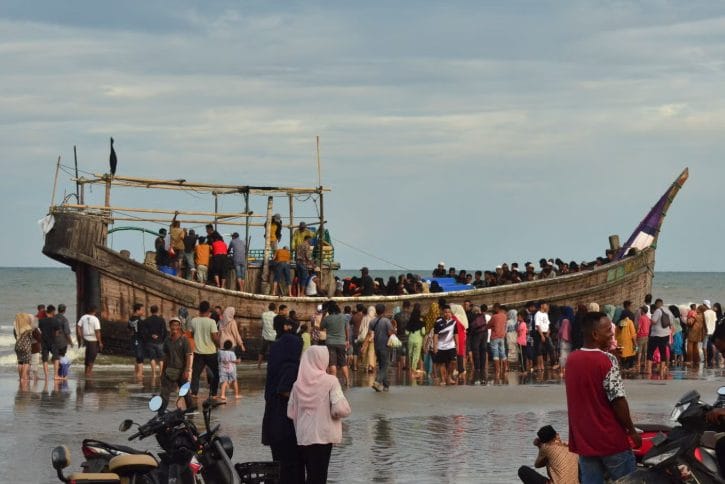
Legally stateless in Myanmar, Rohingya Muslims have been driven into camps by violence. Tens of thousands have left their homes in Rakhine state for the open ocean in the hands of human traffickers.
…
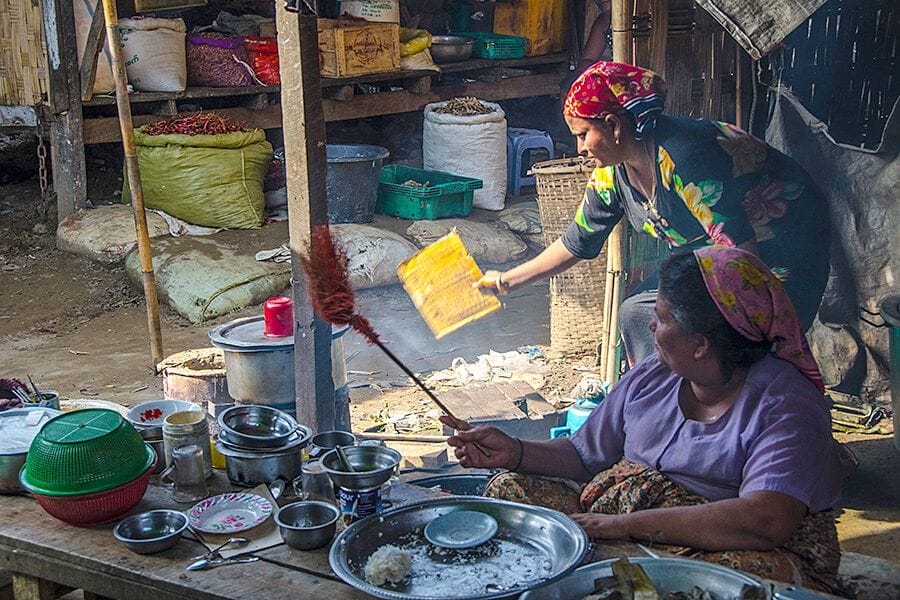
Fatima is on an emotional rollercoaster. A Rohingya Muslim, an ethnic group that has been steadily marginalized for years, she lives in a bamboo hut in a camp for displaced persons. She moved here after being forced out of her nearby home in 2012 during a anti-Muslim pogrom by militant Buddhists.
Last year Fatima’s two brothers, Wali Ullah and Ruhollah, and her brother-in-law Rafiq, set off for Malaysia by boat. They were tired of persecution and of living without freedom to move, and without citizenship. Then human traffickers promised them jobs and safety in Malaysia.
So like some 88,000 refugees and migrants over the past year, the trio set off on an arduous ocean voyage. Not long after, one brother called Fatima from Thailand saying all three were imprisoned in a camp run by traffickers and that she needed to raise money for their release. “They wanted $1,635 for each,” says Fatima, who goes by one name.
The three young men were beaten but managed to escape and recently made it to the Malaysian capital.
Fatima’s family, like almost all of the Rohingya in this camp, were driven out of nearby Sittwe, the capital of Rakhine State, which borders Bangladesh. The violence was tacitly backed by state security services.
Leaders of the Rohingya community describe an atmosphere of desperation that led to the recent surge of sailings that left thousands adrift on the ocean last month in crowded boats. State authorities are “encouraging human traffickers, to evacuate all the Rohingya from this land,” says Kyaw Hla Aung, a Rohingya who served for 24 years as a judge in Rakhine’s highest court, an unthinkable position for a Rohingya to attain today.
Indeed, the conditions of Rohingya in Myanmar are severe: since 1982, they have been denied citizenship, partly on the grounds that they fall outside of the 135 “national races” the government deems “indigenous.” A recent census of Myanmar’s 51.5 million people didn’t permit the identification of Rohingya, whose population is estimated to exceed one million.
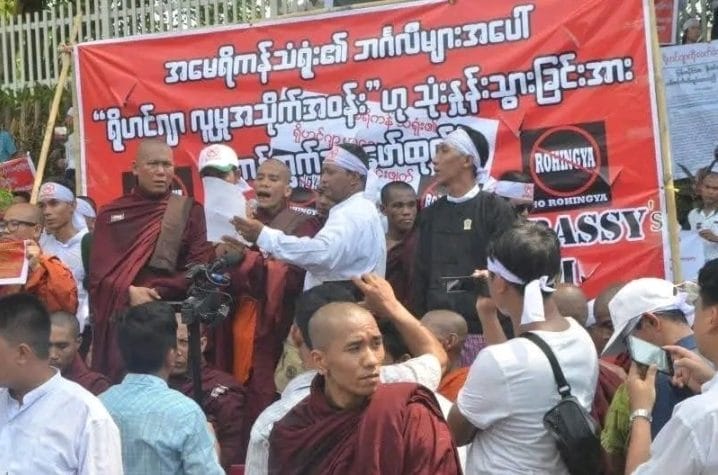
Rohingya are subject to severe restrictions on their freedom of movement. Even to use the term “Rohingya” is taboo in Myanmar. The government refers to them as “Bengalis,” implying origins in neighboring Bangladesh, despite the fact that many can trace their ancestry in the country for generations.
Their persecution has drawn criticism from global moral leaders, including a set of Nobel laureates including the Dalai Lama and Archbishop Desmond Tutu.
Rakhine is Myanmar’s second-poorest state, despite vast offshore natural gas reserves. And the separation between Muslims and Buddhists in the Sittwe area is almost absolute, with Buddhists asserting a distinct cultural identity and history.
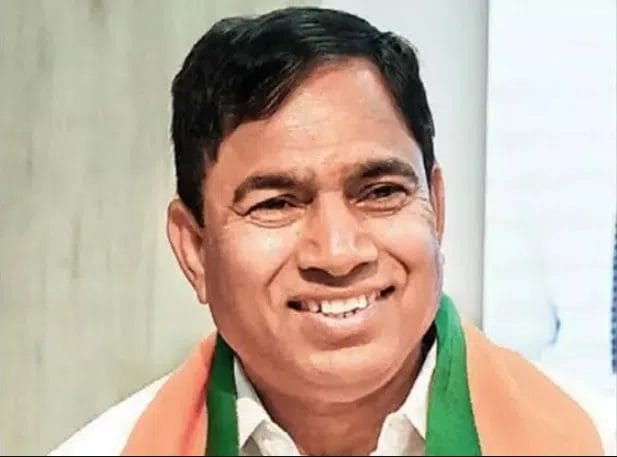
“My features, my complexion, my religion, my style of living, are quite different from theirs,” says Shwe Maung, a central committee member of the Arakan [Rakhine] National Party, which represents the Buddhist majority.
“There are groups within the ethnic Buddhist Rakhine community that clearly feel threatened by the presence of the Rohingya,” says Phil Robertson, deputy director for Asia at Human Rights Watch. “This sense of siege is also driven by the antipathy that the Rakhine feel” towards the Buddhists.
Mr. Maung wants more of Rakhine’s energy wealth to accrue to his constituency. He claims that the “Bengalis” intend to “Islamize” and colonize Rakhine. He repeats a widespread belief that a steady flow of Bangladeshis are crossing into Myanmar and could one day bring “the extinction of our (Buddhist) nationality.”
Not so, argues Mr. Robertson. “This is one of the many myths that the ethnic Rakhine have about the Rohingya that they repeat enough [to] convince themselves… [that it] is true when it is clearly not,” he said.
Source : Alex Bookbinder | Christian Science Monitor