Arakan News Agency
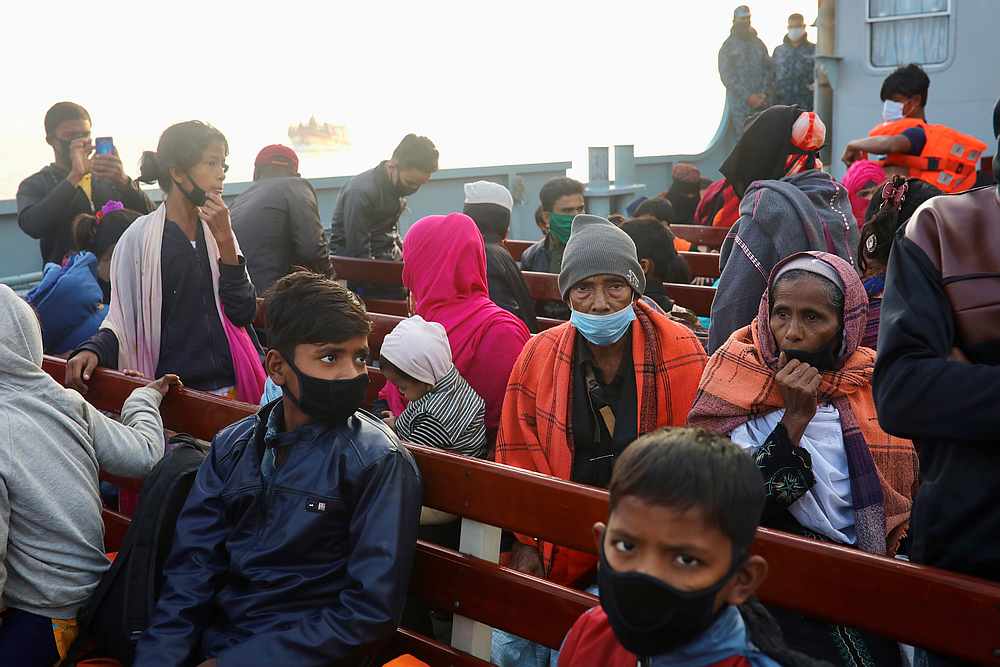
More than 20,000 Rohingyas have fled to Bangladesh in recent weeks, humanitarian officials said yesterday, following a bloody crackdown by the army in neighbouring Myanmar.
Bangladesh has stepped up patrols on the border to try to stem the tide of refugees since an eruption of unrest in Myanmar’s western state of Arakan in early October.
But Sanjukta Sahany, head of the International Organisation for Migration (IOM) office in Bangladesh’s southeastern district of Cox’s Bazar bordering Arakan, said around 21,000 members of the stateless ethnic minority had crossed over in the past two months.
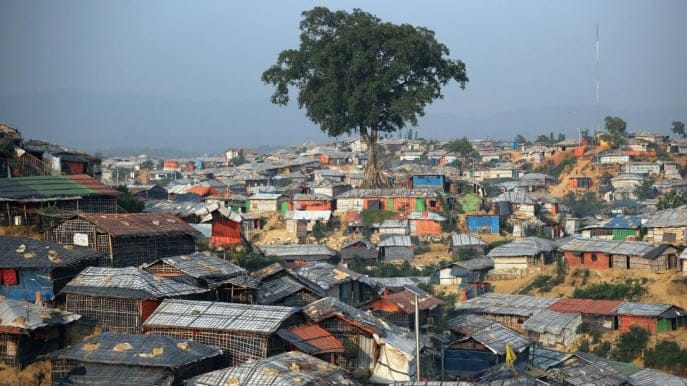
The vast majority of those who arrived took refuge in makeshift settlements, official refugee camps and villages, said Sahany.
“An estimated 21,000 Rohingyas have arrived in Cox’s Bazar district between October 9 and December 2,” she said over phone.
“It is based on the figures collected by UN agencies and international NGOs” (non-
governmental organisations).
The Dhaka office of the United Nations High Commissioner for Refugees in a statement also said it “estimate(d) that there could be 21,000 new arrivals in recent weeks”.
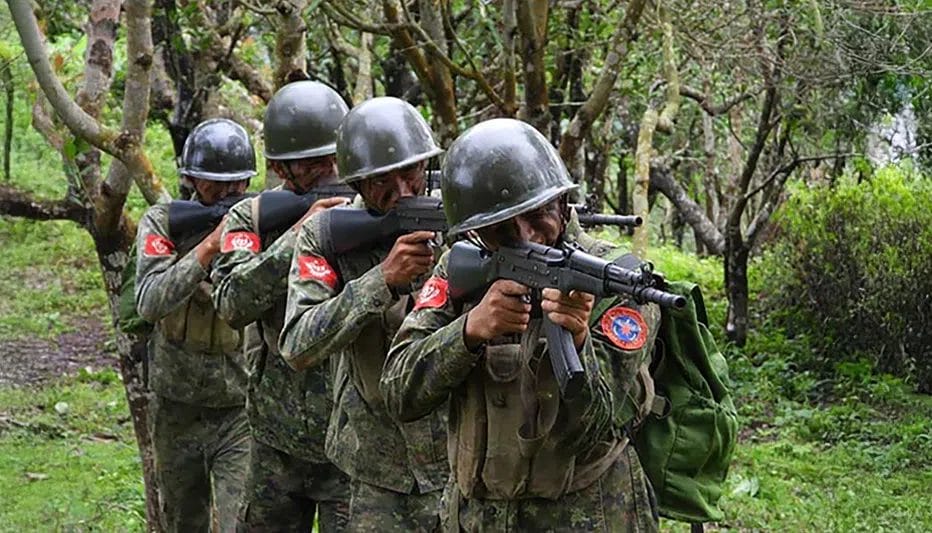
Those interviewed by AFP inside Bangladesh told horrifying stories of gang-rape, torture and murder at the hands of Myanmar’s security forces.
Analysis of satellite images by Human Rights Watch found hundreds of buildings in Rohingya
villages have been razed.
Myanmar has denied allegations of abuse but has banned foreign journalists and independent investigators from accessing the area.
Myanmar’s Nobel peace laureate and de facto leader Aung San Suu Kyi has faced a growing international backlash for what a UN official has said amounts to a campaign of ethnic cleanse against the Rohingyas, a Muslim group loathed by many of Myanmar’s Buddhist majority.
Last week she vowed to work for “peace and national reconciliation”, saying her country faced many challenges, but did not mention the violence in Arakan state.
But Kofi Annan, a former UN chief appointed by Suu Kyi as head of a commission on Arakan, hoped Myanmar would allow journalists to visit the state to “help eliminate some of the rumours we are hearing”.
“The issue of genocide and ethnic cleansing – this is a very serious charge. It is a charge that requires legal review and a judicial determination,” Annan told reporters in Yangon.
“It is not a charge that should be thrown around loosely.”
Bangladesh has reinforced its border posts and deployed coastguard ships to try to prevent a fresh influx of refugees.
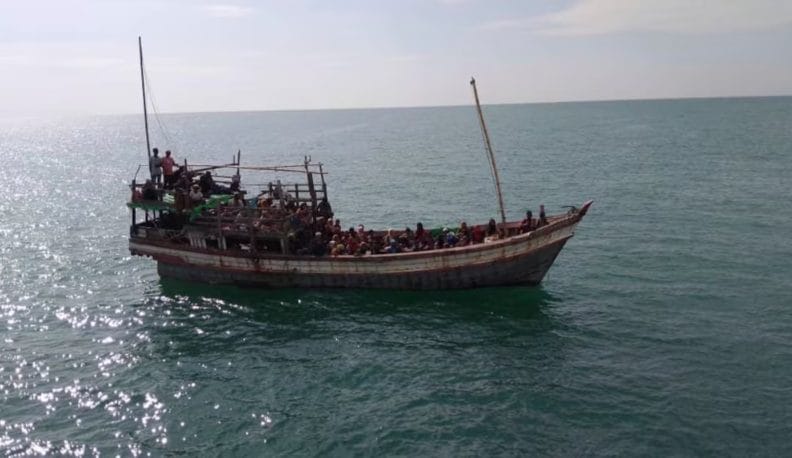
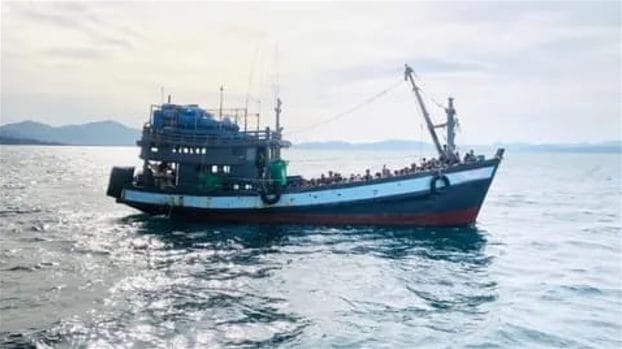
In the past two months its border guards have prevented hundreds of boats packed with Rohingya women and children from entering the country.
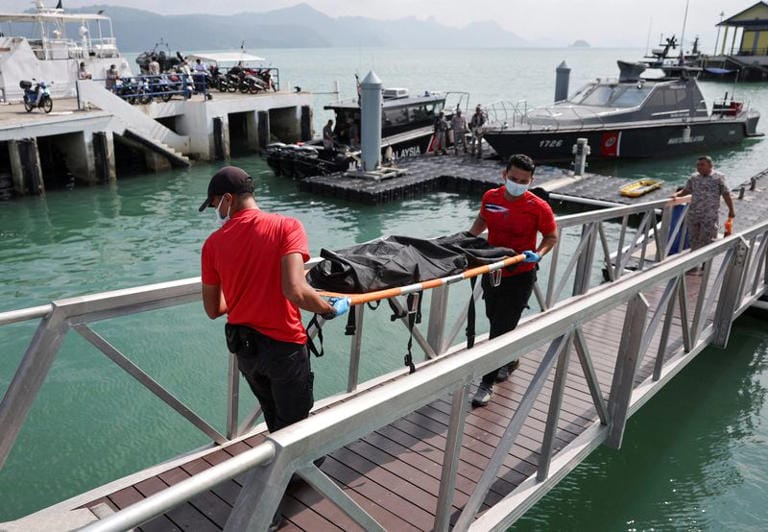
On Monday, a vessel carrying Rohingya refugees sank in the Naf border river, leaving dozens missing. A woman was rescued and told reporters the boat was carrying some 30 Rohingyas fleeing violence in Arakan.
Bangladesh police said they recovered a woman’s body near where the boat went down but they could not confirm whether she was a Rohingya.
“The body has been sent for post mortem,” local police chief Abdul Mazid said.
Source : AFP