
Arakan News Agency
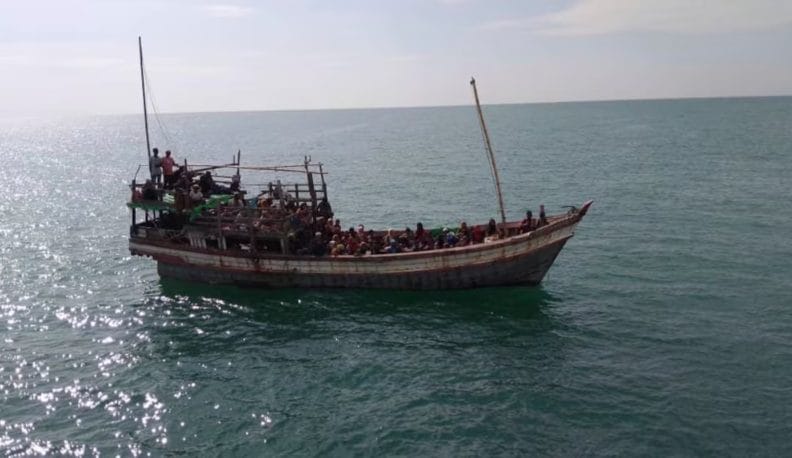
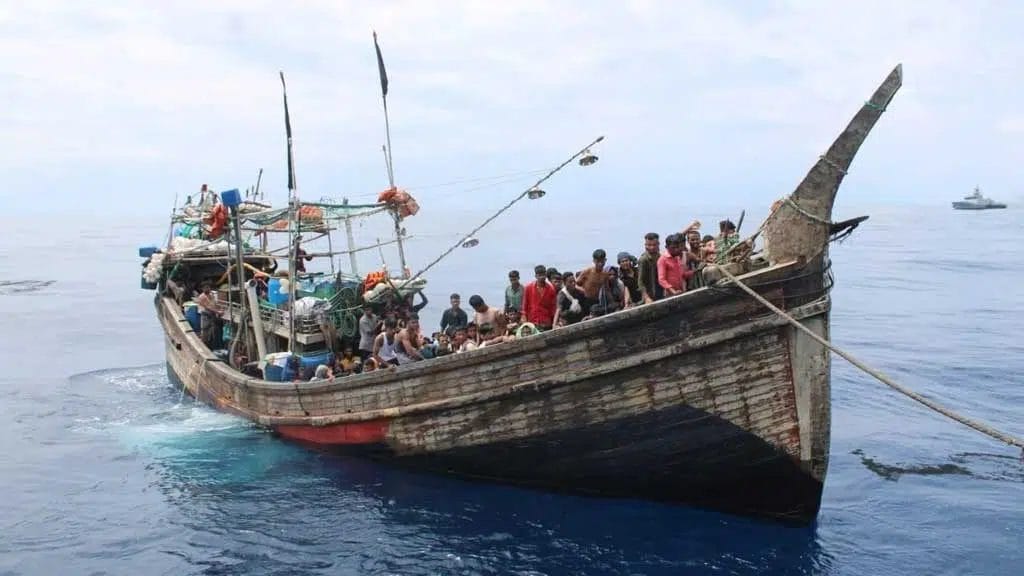
Malaysia has begun searching for thousands of boat people believed stranded in the Andaman Sea. From a hemisphere away in Washington, the U.S. said it will send navy planes. Even the small African nation of Gambia has offered help, saying it could take in the migrants.
The Asian region’s biggest power, China, however, has remained largely silent on the crisis involving Muslim Rohingya fleeing persecution in Myanmar and Bangladeshis seeking to escape poverty.
That reflects Beijing’s longstanding aversion to such foreign intervention as well as potential unease among its neighbors over any further projection of Chinese naval power, but it also complicates any aspirations Beijing may have to be a regional leader in ways that go beyond economic ties.
“China has never really come to terms with the fact that it really has to provide collective goods, including leadership on issues that do not provide any immediate financial or political return, to be deemed the regional leader,” said Zachary Abuza of the Thailand-based Southeast Asia Analytics consultancy.
“Hegemony has costs, Beijing only wants the rewards,” Abuza said in an email interview.
While China wants to be more active in regional crises, in the case of the Rohingya it is geographically distant, lacks experience in dealing with refugees and has yet to hear any pleas for its direct help, said Zheng Yongnian, director of the East Asian Institute at the National University of Singapore.
“It must become a pressing issue for China first,” Zheng said.
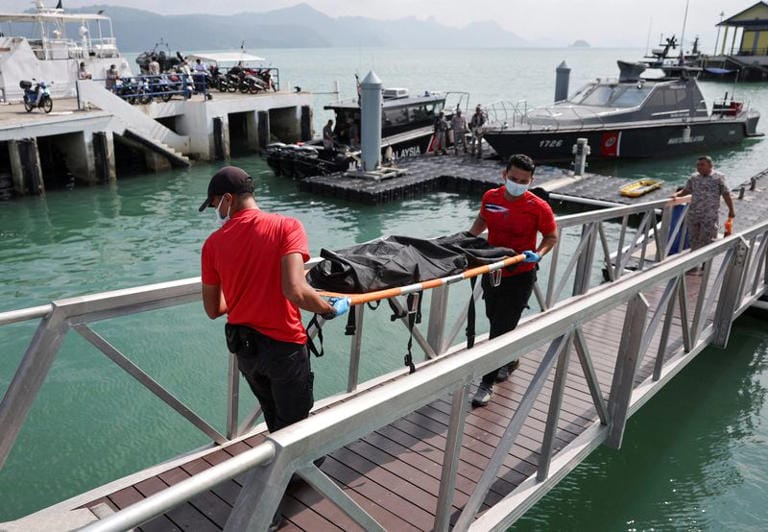
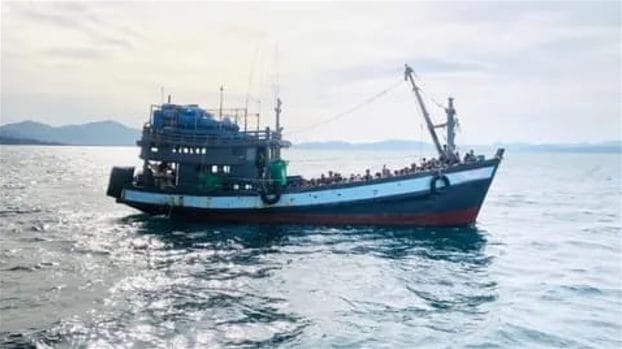
Four Malaysian naval ships have begun searching for migrants believed to be stranded on crowded boats with little food, in the first official rescue operation since the boat people started washing onto Southeast Asian shores earlier this month.
The U.S. said it could offer flight patrols and is prepared to take a leading role in any multi-country effort organized by the U.N. refugee agency to resettle the most vulnerable refugees. Malaysia and Indonesia have said they would provide temporary shelter. Gambia has offered to accept them as “fellow Muslims.”
While there have been no calls for China to become directly involved in the crisis, expectations have risen due to its growing involvement in U.N. peacekeeping and international relief operations, most recently sending aid to Nepal following that nation’s devastating earthquakes.
China’s navy has played a part in providing such assistance and has frequently transited the Andaman Sea on its way to joining anti-piracy patrols off the coast of Somalia. China hasn’t yet said how one of its ships would respond if it encountered a vessel full of Rohingya in need of assistance.
With the world’s second largest economy and nearly $4 trillion in foreign currency reserves, China is rapidly expanding its influence throughout Asia, investing in ports in Pakistan and Sri Lanka and pipelines in Myanmar, among a multitude of high-profile projects.
Source : stripes