
Arakan News Agency
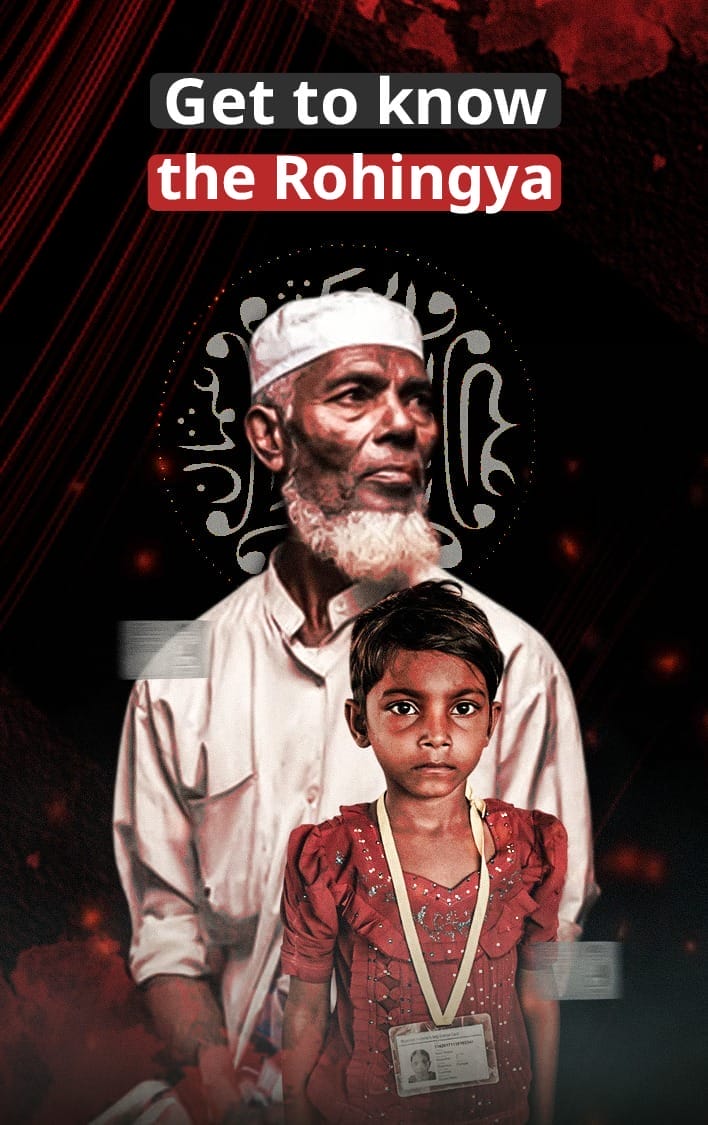
The Arakan Institute for Peace and Human Rights (AiPAH) praised the report of the United Nations High Commissioner for Human Rights, Volker Türk, released during the 59th session of the Human Rights Council, which documented the ongoing grave violations in Myanmar against civilians, particularly the Rohingya.
In a statement on Tuesday, the institute said that the report provided a brave and documented analysis of the crimes and violations committed by the Myanmar military council, in addition to the violations involving other armed parties like the Arakan Army (separatist), highlighting the serious impact of these violations on the Rohingya.
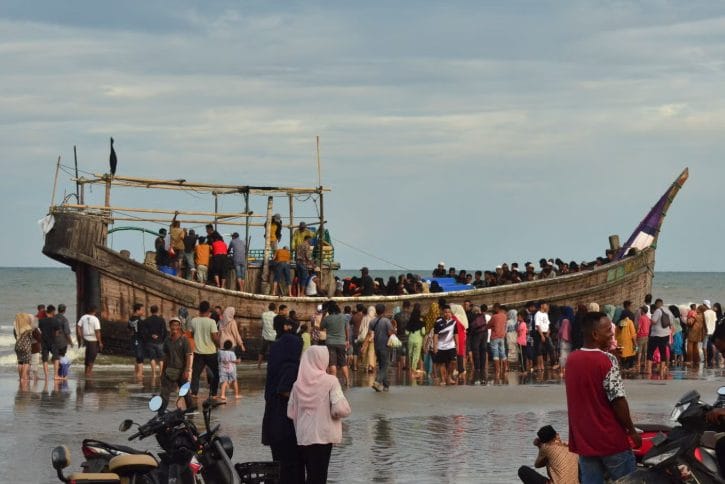
The statement welcomed the report’s focus on issues of ongoing persecution, statelessness, and forced displacement faced by the Rohingya inside Myanmar and in refugee areas, noting that the report classified patterns of violence as amounting to war crimes and crimes against humanity, which reinforces the international community’s responsibility to protect vulnerable groups and achieve justice.
The institute explained that its president, Yu Shwe Maung, and vice president, Yu Soe Myint, participated in the report’s preparation consultations, along with other civil society representatives, reflecting the importance of involving victims and those affected in the process of formulating solutions.
The Arakan Institute called for the urgent implementation of the High Commissioner’s recommendations, foremost of which is the immediate and unconditional release of all political prisoners in Myanmar and the activation of international accountability mechanisms to hold violators accountable.
It also called for the involvement of all ethnic and religious components, including the Rohingya, in efforts for political dialogue and the peace process, and for ensuring unrestricted humanitarian aid access to all those affected by the conflict.
The institute urged member states of the Human Rights Council to support these recommendations and take firm actions to protect civilians, affirming that “delayed justice is incomplete justice.”
The United Nations High Commissioner for Human Rights, Volker Türk, confirmed during his briefing to the Human Rights Council in Geneva on Friday that the Rohingya are facing an escalating humanitarian crisis in Myanmar with the rise of clashes in Arakan State between the Myanmar army and the Arakan Army.
Myanmar has been rattled by unrest since the military coup in 2021, sparking conflict and a civil war that claimed civilian victims, with the conflict leading to the displacement of approximately 3.5 million people, in addition to the killing, injuring, and arresting of tens of thousands. The United Nations has estimated that around 20 million people, nearly a third of the population, will need humanitarian assistance by 2025.