
Arakan News Agency | Exclusive
On Saturday, the Arakan Army (AA), a separatist group, allowed the reopening of the municipality market in Maungdaw town, located in western Myanmar’s Arakan State. The market had remained closed since June 2024 due to ongoing battles with the Myanmar military council for control of the town.
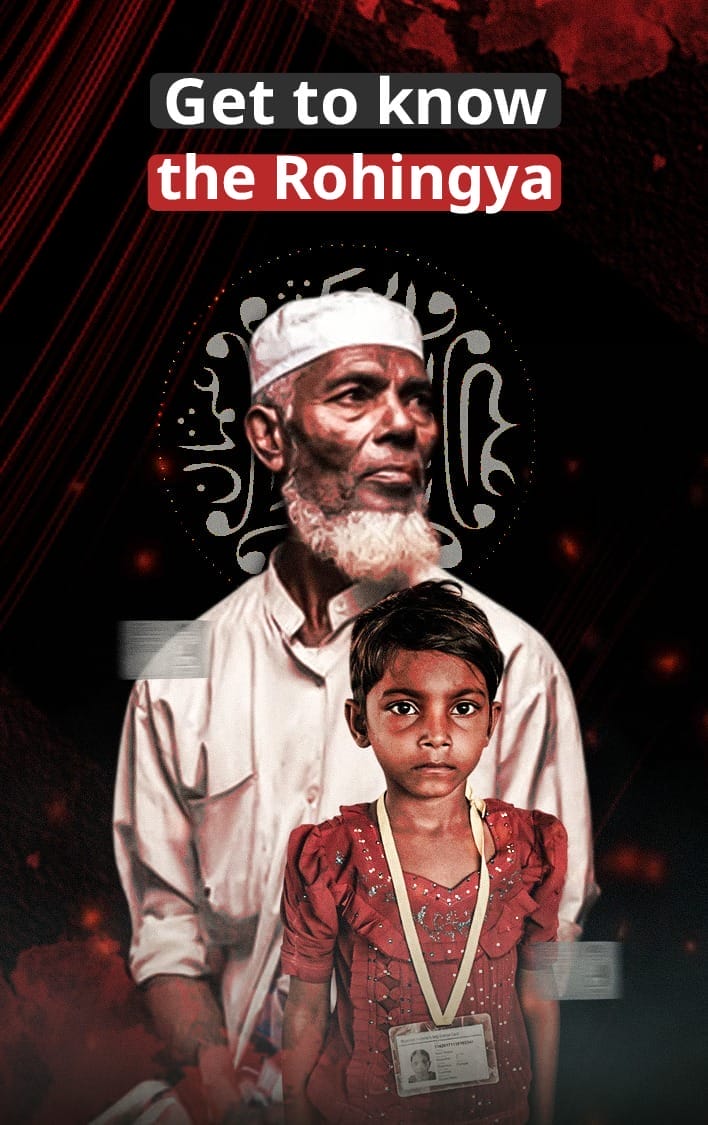
According to a correspondent from Arakan News Agency, the market comprises over 380 shops, the vast majority of which are owned by Rohingya, with only five owned by Arakanese people and four by Hindus.

The Arakan Army held a meeting with shop owners and informed them that they may now reopen and resume business operations, provided they use the original keys to access their shops. Only rightful owners would be allowed to reopen their shops, and anyone without proof of ownership would be denied access. In cases of shop sales or ownership transfers, proper documentation must be presented.
Following the announcement, several traders began moving goods out of their shops. Some reopened and resumed sales, while others chose to sell their items elsewhere. However, most original shop owners remain abroad, particularly in Bangladesh, due to the ongoing conflict. Their shops remain locked, and no break-ins or thefts have been reported so far, according to a local trader.
The Arakan Army seized control of Maungdaw on December 8, 2024. Since then, the group has been accused of persecuting the Rohingya population by imposing a complete movement ban in northern Maungdaw, revoking travel permits, and closing homes based on false complaints. Additionally, they allegedly confiscated Rohingya homes, seized valuables, displaced numerous families, settled Arakanese families in Rohingya villages, imposed extortion payments, collected food supplies, and levied heavy taxes on Rohingya shops.
In November 2023, the Arakan Army launched a military offensive against Myanmar’s junta forces to gain control of Arakan State. It has since captured 14 out of 17 towns in the state. However, the Rohingya have been caught in the crossfire, facing violence, forced displacement, and persecution from both sides. This comes after the Rohingya already suffered a campaign of genocide by the Myanmar military in 2017, which forced nearly a million of them to flee to Bangladesh.