
Arakan News Agency
Members of Myanmar’s Arakan advisory commission met with national government ministers on Wednesday in Naypyidaw to discuss the security situation in Maungdaw township, where recent violence has forced thousands to flee their homes.
The Myanmar government formed the Arakan advisory commission in late August to examine conflict resolution, humanitarian assistance, and development issues in the impoverished and restive western state.
Though officials from the ministries of defense and home affairs participated in Wednesday’s meeting, former United Nations chief Kofi Annan, who leads the nine-member commission, did not attend.
“The commission members met with us to study the problems and situation in Arakan state,” said Information Minister Pe Myint. “The Maungdaw attack is new, and they want to know about it as well.”
Arakan is home to more than 1.1 million stateless Rohingya Muslims whom many Burmese call “Bengalis” because they consider them illegal immigrants from neighboring Bangladesh. The Buddhist majority has long subjected the Rohingya to persecution and attacks and denied them basic rights, including citizenship.
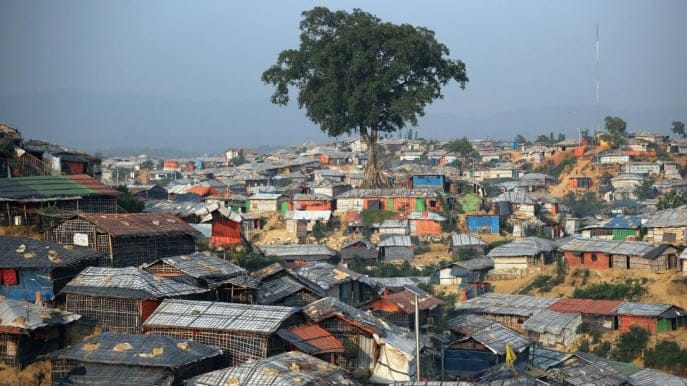
The minority group which bore the brunt of anti-Muslim communal violence in 2012 that left more than 200 dead and displaced tens of thousands were later forced to live in camps, where they remain today.
Food for IDPs
Meanwhile, the mayhem in Maungdaw has now driven 3,000 displaced people to nearby towns, according to Arakanstate officials.
More than 1,000 of them have sought refuge in the state capital Sittwe, while others have made their way to other parts of Maungdaw and neighboring Buthidaung township.
Though officials have closed hundreds of state-run schools in Maungdaw as a result of the conflict, they will now arrange for children who have been displaced by the violence to attend classes, said Min Aung, the state’s city development minister.
He also said the state government is supplying food to those who have been displaced.
“The Arakan state government has provided whatever the IDPs [internally displaced persons] need, such as rice, cooking oil, and dried fish,” he said. “Civil society organizations from Arakan and other states have been helping them as well.”
Local NGOs must rely on the army to deliver rice to other Maungdaw residents who have remained in their villages and are now running out of food supplies.