
Arakan News Agency
Amnesty International, investigating the causes of violence that has driven more than 600,000 Rohingya Muslims in Myanmar, said they were victims of an “apartheid” policy in an “open prison”.
“The violent crackdown by the violent security forces in the last three months has been nothing more than an expression of this shameful policy,” said Anna Nistat, director of research at the organization.
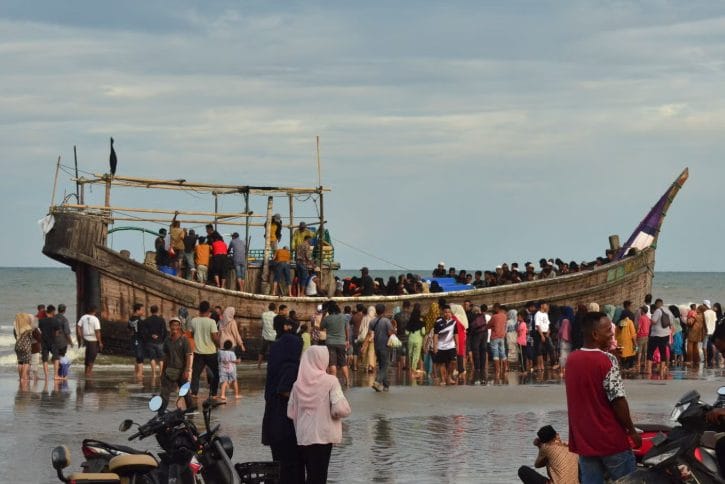
In less than three months, more than half of the Rohingya population living in the western state of Arakan has fled to Bangladesh to crack down on the Myanmar army.
The non-governmental organization wrote that this Muslim minority in a predominantly Buddhist country “is stuck in a system of discrimination sponsored by the state and institutions, closer to apartheid,” that is, apartheid.
She added that two years of investigations conducted by the organization revealed that “the authorities impose restrictions in almost every aspect of Rohingya life and oblige them to live as in isolation.”
“The Rohingya are forced to fight for health care, education and even exit their villages in some areas,” she said. “The current situation applies to all the criteria for the legal definition of apartheid.”
Amnesty International, investigating the causes of violence that has driven more than 600,000 Rohingya Muslims in Myanmar, said they were victims of an “apartheid” policy in an “open prison”.
“The violent crackdown by the violent security forces in the last three months has been nothing more than an expression of this shameful policy,” said Anna Nistat, director of research at the organization.
In less than three months, more than half of the Rohingya population living in the western state of Arakan has fled to Bangladesh to crack down on the Myanmar army.
The non-governmental organization wrote that this Muslim minority in a predominantly Buddhist country “is stuck in a system of discrimination sponsored by the state and institutions, closer to apartheid,” that is, apartheid.
She added that two years of investigations conducted by the organization revealed that “the authorities impose restrictions in almost every aspect of Rohingya life and oblige them to live as in isolation.”
“The Rohingya are forced to fight for health care, education and even exit their villages in some areas,” she said. “The current situation applies to all the criteria for the legal definition of apartheid.”