Arakan News Agency
Thailand’s recent effort to uncover a massive human-trafficking network is a step in the right direction, according to rights groups, which have long criticized the kingdom for failing to combat the thriving people-smuggling business within its borders.
But anti-trafficking activists say more regional efforts are needed to help end what appears to be a multimillion-dollar, transnational smuggling syndicate.
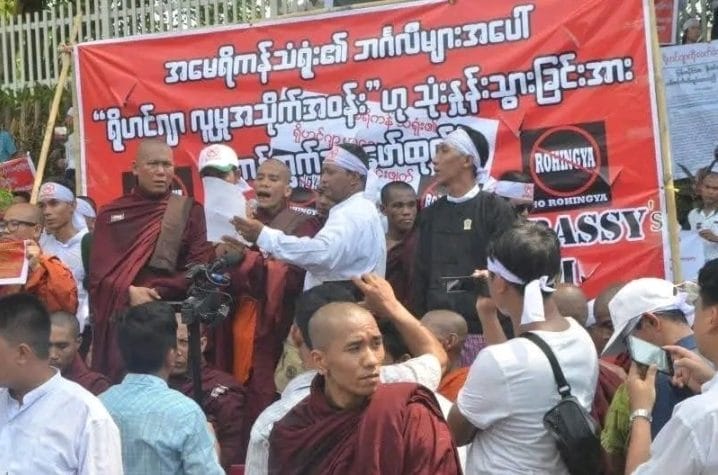
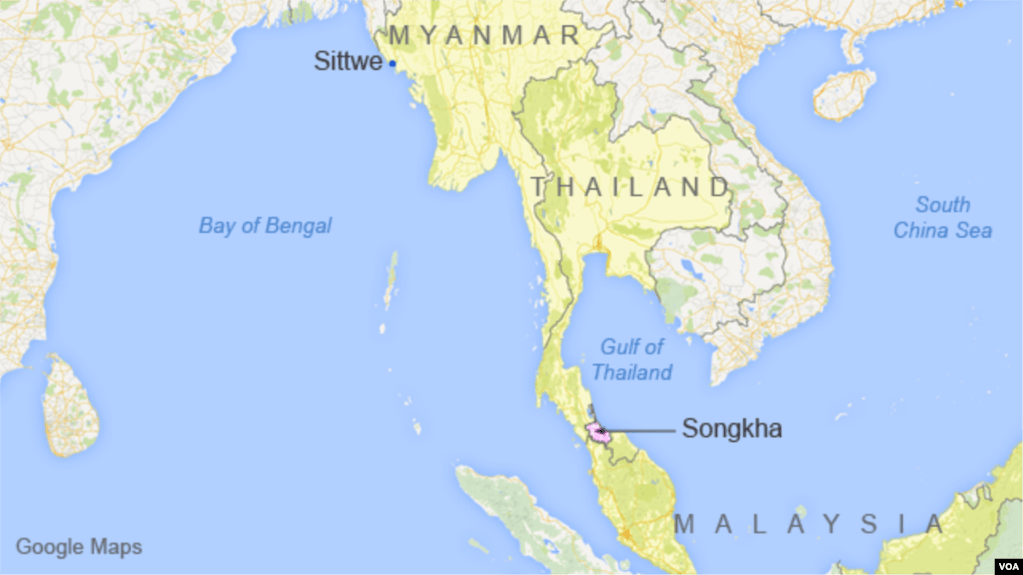
Over the past week, police in southern Thailand announced the discovery of three abandoned jungle camps, including one containing a mass grave with 26 bodies. The camps, located along the Thai-Malaysian border, are thought to be a part of a vast criminal network that holds for ransom ethnic Rohingya Muslims from Myanmar and Bangladesh and smuggles them into Thailand and Malaysia.
So far, three local Thai officials and a Myanmar national have been arrested as part of the investigation, which was carried out with the assistance of Freeland, an NGO that focuses on human slavery and wildlife trafficking. In a statement, Freeland provided new details about the way in which traffickers kidnapped the Rohingya from Myanmar’s troubled Rakhine state, where the minority group has faced religious persecution and discrimination.
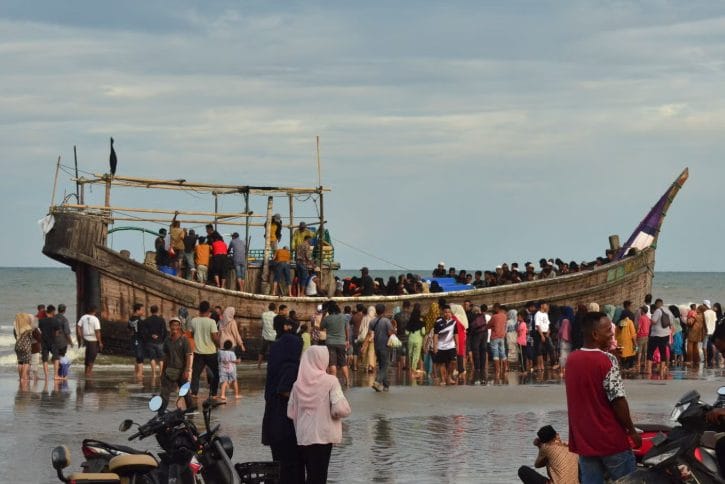
The traffickers used the promise of jobs in Thailand to lure 300 to 400 Rohingya at a time to board a boat that was anchored off the coast of Sittwe. The Rohingya were then placed in what were essentially detention camps in southern Thailand and told that their families must pay up to $3,000 for their release. Those whose families could not afford the ransom were sold to Malaysian farmers for $1,000 per person.
Source : VOA