Arakan News Agency
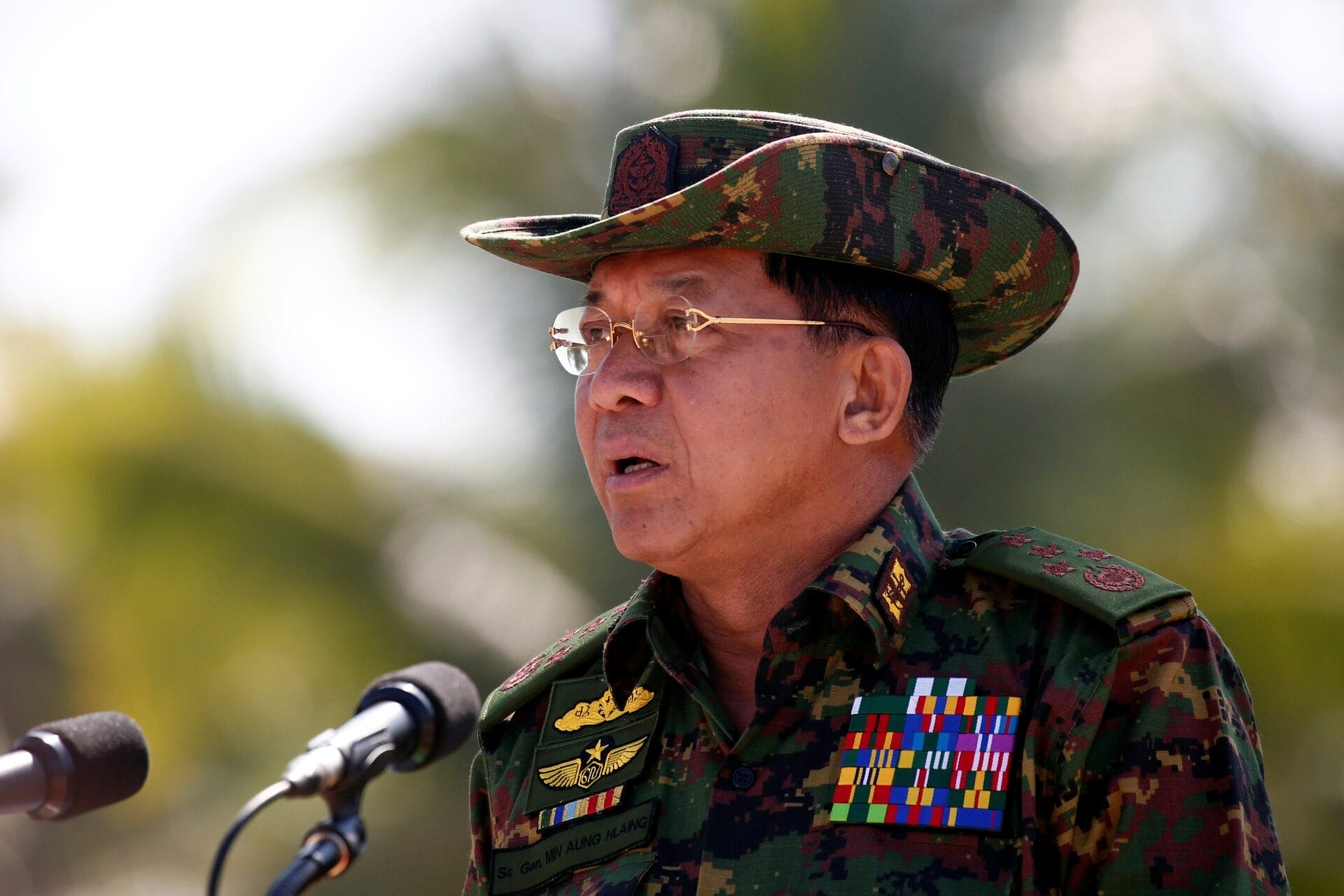
Myanmar’s military chief said on Thursday that the country’s armed forces have placed no restrictions on media access to Arakan state, which is slowly recovering from a violent crackdown last year that drove 700,000 Rohingya Muslims across the border to Bangladesh after soldiers torched villages and killed more than a thousand people.
The Myanmar government has restricted access to the northern Arakan townships of Maungdaw, Buithdaung, and Rathedaung, where the military conducted a campaign of terror against Rohingya civilians that included killings, torture, rape, and arson, and so far has only permitted small groups of journalists on state-sponsored trips to the region.
“Senior General Min Aung Hlaing said the military has placed no restrictions on media access in Arakan state, but he doesn’t know if the government has some in place,” said Myint Kyaw, a member of the Myanmar Press Council (MPC), an independent organization comprised of privately owned media representatives that investigates and settles press disputes and protects media workers in Myanmar.
“We suggested to him that the military should announce officially that there are no restrictions on media access in Arakan state,” he said.
During a meeting between Min Aung Hlaing and the MPC, Myint Kyaw also suggested that the military chief maintain and improve the relationship between the media and the armed forces.
The senior general accepted the advice and acknowledged that there had been some misunderstandings between the military and journalists, Myint Kyaw said, though he gave MPC members only an email address for the military information committee to contact, but not a phone number.
Min Aung Hlaing also told reporters at a news conference held in his office in the capital that the relationship between the military and the ruling national League for Democracy (NLD) party is good, and that he has no intention of responding to a damning report by London-based rights group Amnesty International.
Amnesty put Min Aung Hlaing at the top of a list of 13 military and border guard officers it said should be tried for crimes against humanity for their leading roles in a “highly orchestrated, systematic attack on the Rohingya population” in 2017.