
Arakan News Agency
Improved security and unimpeded humanitarian access in Myanmar are essential before Rohingya children can be returned from Bangladesh, UNICEF Deputy Executive Director Justin Forsyth said today.
“Some 58% of the refugees are children, many of whom are still traumatized by their experiences of violence,” said Mr Forsyth, speaking from the Kutapalong refugee camp in southern Bangladesh. “It is critical that their rights and needs in terms of protection and aid are front and centre in any agreement to return families to Myanmar. Return of refugees to Myanmar must be voluntary, safe and dignified.”
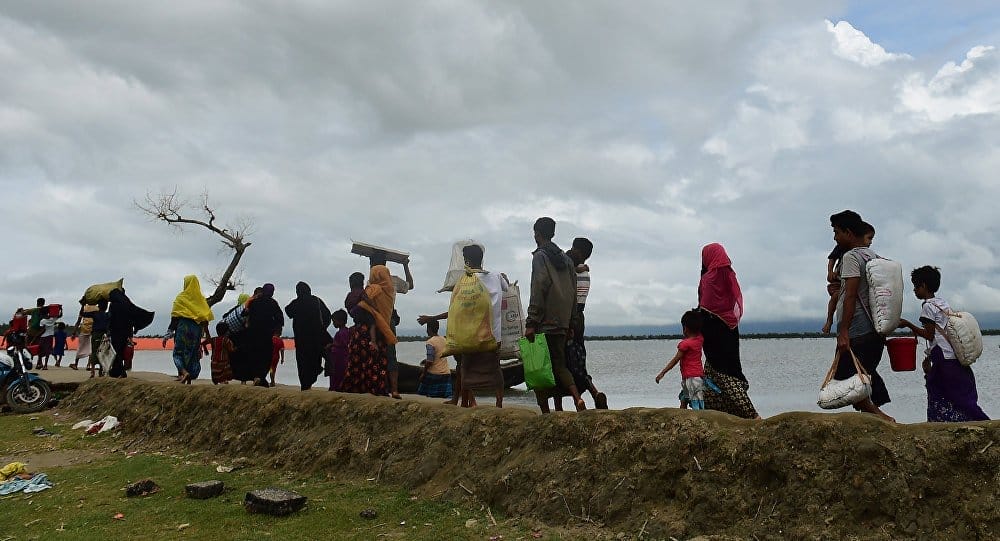
The vast Kutupalong camp shelters many of the 688,000 Rohingya refugees who have fled across the border from Myanmar’s Arakan State following an outbreak of violence there in late August last year. More than half of the refugees are children.
“In just the last few days we have heard reports of fires and shooting in villages across the border. Until the safety and wellbeing of any child returning to Myanmar can be guaranteed, talk of repatriation is premature,” he added.
“The Bangladesh authorities deserve enormous credit for all they have done to help these desperate people. Under their leadership, the worst potential consequences of this human calamity have been avoided despite the incredibly difficult circumstances.”
However, Mr Forsyth pointed out that with the rainy season approaching, there were still huge challenges ahead.
“Conditions in the camps here are undoubtedly harsh – the overcrowding, the shortages of clean water, sanitation, health care and education all carry a particular risk for children.”
UNICEF is one of a range of international and national agencies working alongside the Bangladeshi authorities to provide services and support to the refugee population and nearby host communities. Working with partners, UNICEF has dug hundreds of water-bore wells, installed up to 16,000 toilets, helped immunize nearly a million children and adults against cholera, screened 335,000 children for malnutrition, and provided learning for nearly 80,000 children.


