
Arakan News Agency | Exclusive
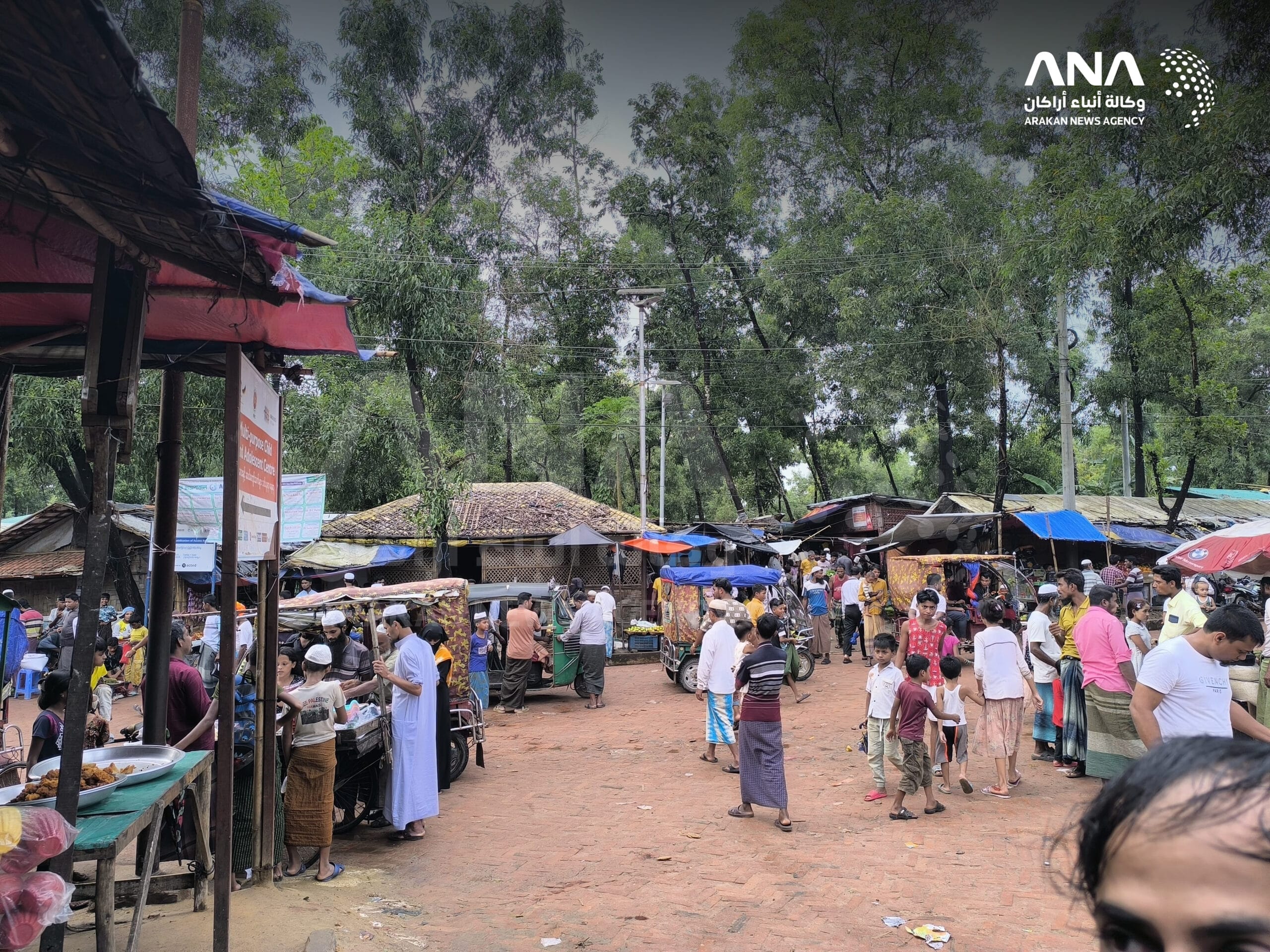
A number of Rohingya refugees in the Cox’s Bazar camps in Bangladesh have expressed their fears of a comprehensive ban on all vehicle movement within the camps, believing the decision will deteriorate their living and health conditions and threaten their daily lives.
The ban includes the prohibition of motorcycles, auto-rickshaws, battery-powered vans, and trucks vehicles that the Rohingya community relies on heavily to meet essential needs, including transporting the sick and injured to hospitals and distributing food, water, and relief supplies.
One refugee told Arakan News Agency that halting transport services would cause severe hardship and disrupt the lives of thousands of people, especially those who depend on these vehicles for their daily income.
Camp residents and humanitarian workers have also warned that the decision will create extreme difficulties in transferring patients to health centers, putting many lives at risk during emergencies. Additionally, it will slow down the distribution of food, water, and essential aid materials, potentially leading to severe shortages and increasing suffering.
They stressed that the most vulnerable groups such as children, students, the elderly, and persons with disabilities will be greatly affected by the ban as they rely on transportation to access educational centers, healthcare facilities, and distribution points.
Civil society organizations pointed out that the absence of transportation could hinder rapid response during security emergencies and natural disasters, posing an additional threat to the safety of the camp community.
This decision comes as part of a series of government measures aimed at limiting the movement of refugees within the camps. Meanwhile, the Rohingya have called on the government to reconsider the decision, asserting that the ban will further intensify their suffering amid already difficult living conditions.
The authorities had earlier announced the imposition of a comprehensive ban on the movement of all types of vehicles within the Rohingya refugee camps, in a move aimed at enhancing security and public order in these overcrowded areas.
Bangladesh currently hosts more than one million Rohingya refugees in the Cox’s Bazar area, which the United Nations classifies as the largest refugee camp in the world. The refugees fled from Myanmar following a brutal military-led genocide campaign in 2017. Their displacement has further intensified following renewed fighting between the Myanmar military and the Arakan Army (AA) in November 2023, a conflict that has subjected them to violence, forced displacement, and even forced recruitment.


