
Arakan News Agency
A United Nations request to move more than 10,000 “highly vulnerable” displaced Muslims out of two camps in Rakhine State before the onset of the monsoon season has met with a tough response from the chief minister, who said they must first comply with the citizenship verification process.
U Maung Maung Ohn told The Myanmar Times yesterday that the authorities would support the provision of aid, education and health to the camps, but baulked at allowing them to move unless they went through the process of applying for Myanmar citizenship.
Most of the Muslims identify as Rohingya, but to apply for citizenship they must agree to register as Bengalis.
“If they do not cooperate with us in the process, the moving of the camps cannot be possible,” he said.
The United Nations Office for the Coordination of Humanitarian Affairs (OCHA) said more than 6000 displaced people in low-lying Nget Chaung camp and more than 4,000 people in Ah Nauk Ywe – both close to the sea and east of the state capital Sittwe – were at a high risk from flooding, storm surges and winds.
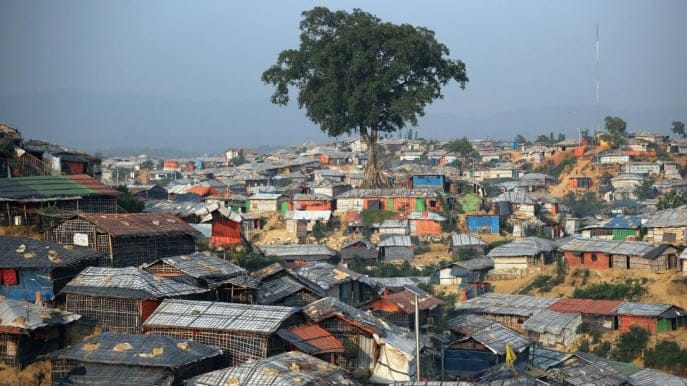
They are among some 140,000 Rohingya living in what the UN has described as “abysmal” conditions in camps set up in the wake of communal violence that erupted between Muslims and the Rakhine Buddhist majority in June 2012.
Shelters at Nget Chaung camp, built on marshland, “are gradually sinking into the mud” while access to adequate clean water was a major concern in Ah Nauk Ywe, OCHA said in its latest Myanmar bulletin. Residents in both camps were scavenging materials from shelters, latrines, walkways and other camp infrastructure for fuel, it added.
International humanitarian organisations had asked the authorities to take urgent measures to improve living conditions and had requested the residents from both camps be moved to higher safer ground before the monsoon season arrived in May, the UN agency said.
The UN has previously rejected any linking by the authorities of political process with humanitarian issues, but U Maung Maung Ohn was clear that Rohingya Muslims displaced by the conflict would first have to comply with government demands that they renounce their claim to Rohingya ethnicity in applying for citizenship.
“Only those who get citizenship can have the rights of citizens. We cannot place them on the same level,” the chief minister said.
“When I met the Muslim community, I asked them, ‘Do you want to be Rohingya or Myanmar citizens? If you want to be Myanmar citizens then we can talk. But if you want to be Rohingya, we don’t need be talking as the government has announced that the name Rohingya is not recognised’,” U Maung Maung Ohn said.
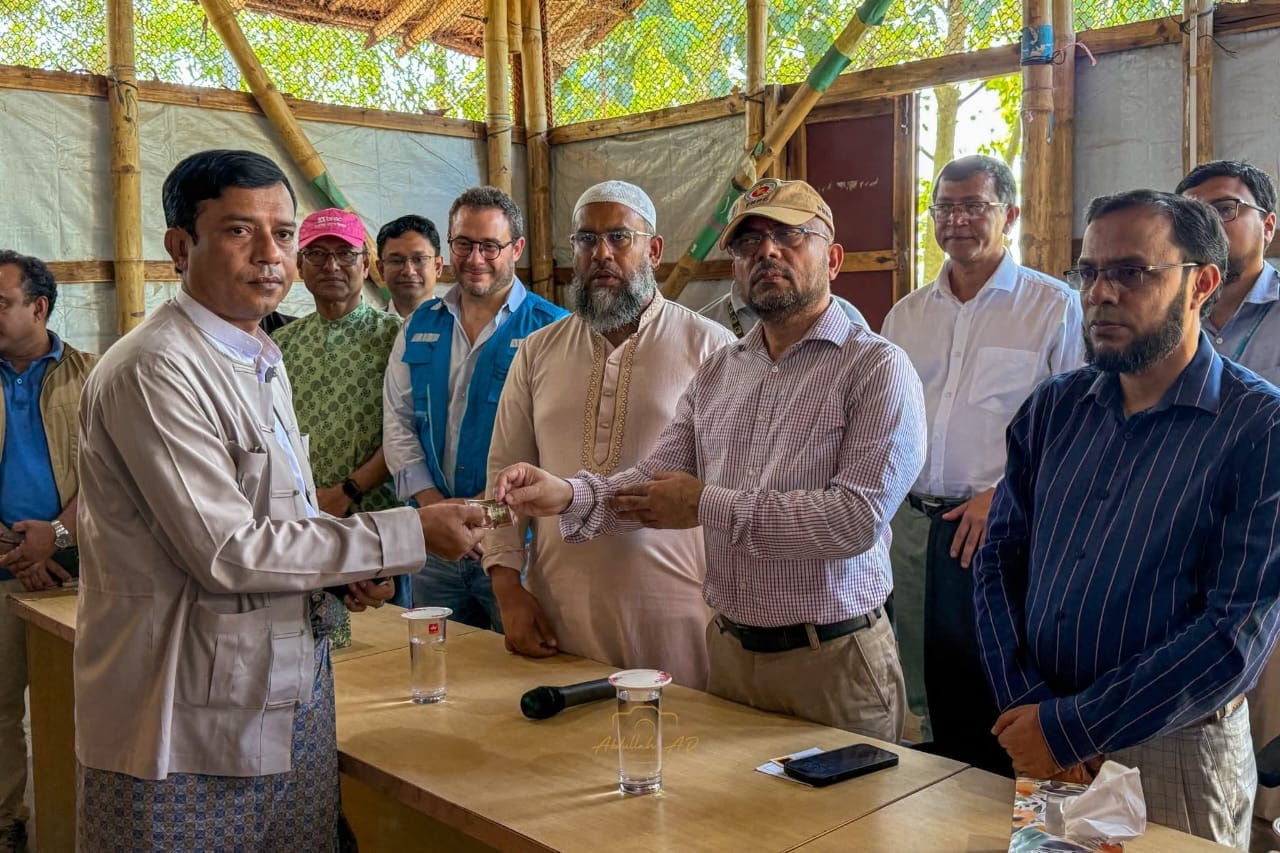
He said there might still be enough time for the IDPs to hand in their “white cards” – temporary IDs – and go through the verification process by the end of May, when the monsoon rains will arrive.
One aid worker, who asked not to be named, noted the minister’s tough remarks but said the government had begun allowing some displaced Rohingya to resettle while keeping the movements low-profile so as not to antagonise hardline Buddhist activists.
source : Myanmar Times