Arakan News Agency
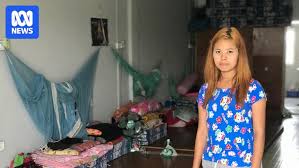
Myanmar garment worker Ohn Mar Khaing doesn’t bat an eyelid as she shares her standard work routine — six days a week, 8.00am to 9.00pm.
But she’s suddenly nervous talking about the journey to and from the factory.
“If I am working overtime, there is no bus, so I have to walk or take a motorbike taxi,” the 19-year-old says.
Recently a gang cornered her on her way home.
“They grabbed my hair from behind and tried to forcibly take me on their bike. It was really bad, but I managed to get away and they only ripped my clothes.”
She was too scared to tell her manager or report it to the police as she didn’t want to lose her job.
“I didn’t file a case, I just told other workers and they told the supervisors and managers that we don’t want to work late as we feel unsafe. But it is something we always demand but never get.”
Like many in Myanmar, Ohn Mar Khaing is a migrant worker from Ayeyarwady region, who moved to Yangon, Myanmar’s largest city to find work.
She sends her family at least half of her wages — 3,600 kyat ($3.40) a day.
Harassment just outside factory walls is frequently mentioned by female garment workers.
But harassment within the factory is just as common, with workers being groped or enduring sexual comments from contract workers, supervisors or peers.
Eighteen-year-old Wai Wai who works in a shirt factory retells her experience of harassment from an interpreter and machine technician at work.
“They call me sexy names or talk about my body, tease and sometimes give unwanted touch … I tell them not to do it or I will report them or hit them with scissors.”
Several women also described being harassed by contractors as they went to the toilet alone.
Alongside this harassment, female garment workers report routine pregnancy testing and discrimination from factory management.
Their claims are confirmed in a soon-to-be-released gender equality assessment of 16 foreign-owned garment factories in Yangon.
“A significant proportion of women interviewed seemed to have been asked to go through a pregnancy test before securing employment in the factories,” International Labour Organisation representative Catherine Vaillancourt-Laflamme says.
Factory owners do not want to pay workers’ 98 day-maternity leave entitlement and are worried their production line will be broken.
The law is silent on medical exams and pregnancy tests during recruitment, adds Ms Vaillancourt-Laflamme.
Factory representatives rejected the report’s findings, suggesting respondents may have confused pregnancy testing with general questions about their health.
Pregnancy testing is a problem in the region and one of the poor labour practices that foreign-owned factories have imported into Myanmar, according to Jacob Clere from garment sustainability organisation SMART Myanmar.
Brands dodge the blame
Therein Aung from Action Labour Rights says he regularly receives reports of pregnancy discrimination and harassment of workers but does not know how to escalate their complaints.
“If I go to the labour office they say this is not their responsibility, and they suggest going to the police, but practically speaking women don’t feel comfortable going to the police as they don’t know how to handle these complaints.”
As factories scramble to find the cheapest wages in Asia, some are moving to rural areas in Myanmar and enjoying a seven-year tax holiday.
While this is creating more jobs, workers are having to travel long distances between their homes in town and rural factories, often at night without lighting along the roads.
Wai Wai says she feels very unsafe travelling home.
“Sometimes I finish at three or four in the morning and there are no workers I can carpool with and I can’t afford to hire a bike so I walk.”
“The responsibility question [around safe travel to work] is an interesting one,” says Mr Clere.
“I understand some factories will directly own buses, so technically I guess the company that is contracting is legally responsible.”
Consumer-facing brands often escape responsibility with blame falling to suppliers.
But Ms Vaillancourt-Laflamme is optimistic, saying “there is a growing recognition of the responsibilities of all actors of the global supply chains.”