
Arakan News Agency
Data from the Cox’s Bazar Civil Surgeon’s Office in Bangladesh, Dr. Mohammadul Haque, showed that more than 74% of all dengue cases recorded this year were among Rohingya refugees, while over 90% of dengue-related deaths occurred within the camps.
From January to 24 November, a total of 7,717 dengue cases were recorded in the district, of which 5,720 were Rohingya, representing 74.12% of all infections. During the same period, 11 people died from dengue, including 10 Rohingya and one local Bangladeshi, putting the death rate among Rohingya at 90.90%.
Dr. Mohammadul Haque, Cox’s Bazar Civil Surgeon, told The Business Standard that necessary medical supplies have been provided to the district hospital, health complexes, and field hospitals operating inside the Rohingya camps. Doctors and nurses have also received training to manage cases effectively.
He added that authorities have taken measures to curb Aedes mosquito breeding by cleaning garbage, plastic waste, drains, canals, and stagnant water areas across Cox’s Bazar town, surrounding localities, and refugee settlements.
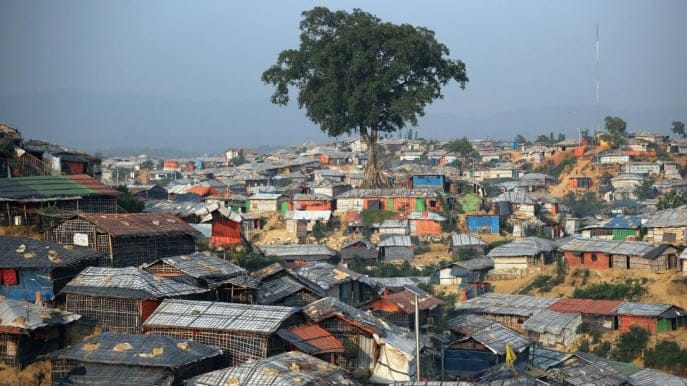
Dr. Haque pointed out that high population density, unmanaged waste, and stagnant water in and around the camps intensify mosquito breeding, despite improvements compared to previous periods.
Bangladesh hosts approximately 1.3 million Rohingya refugees in the Cox’s Bazar camps, classified by the United Nations as the largest refugee settlement in the world. The refugees have been living in difficult humanitarian conditions since fleeing Myanmar in 2017 due to the “genocide” campaign carried out by the Myanmar army against them. Displacement to Bangladesh has renewed following the outbreak of fighting in Arakan State between the Myanmar army and the Buddhist Arakan militias (Arakan Army) in November 2023.


