
Arakan News Agency
Hundreds displaced by Myanmar violence face grim future as they struggle to survive with no assistance.
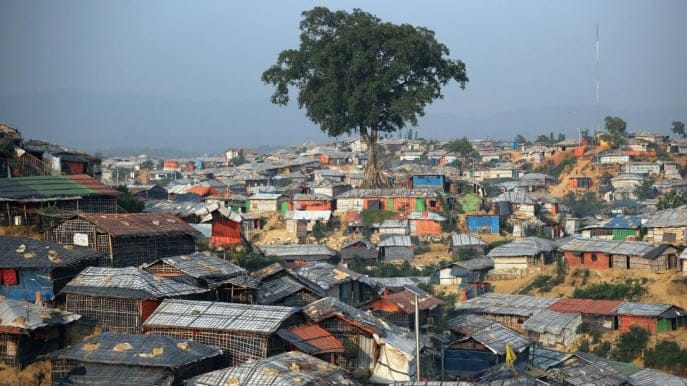
As the sun rises over the railway tracks in the densely populated Jammu region, children play in heaps of garbage while their parents begin to tidy their tarp-covered homes.
“We have houses made of leaves and plastic sheets. Our children fall sick whenever there is rainfall but we are content because we are safe,” says Rohingya refugee Mohammad Yousuf.
Safety was their primary concern when 62-year-old Yousuf and tens of thousands of other Rohingyas left their native Rakhine state in Myanmar two years ago, after ethnic tensions between Rohingya Muslims and the majority Rakhine Buddhists triggered deadly violence.
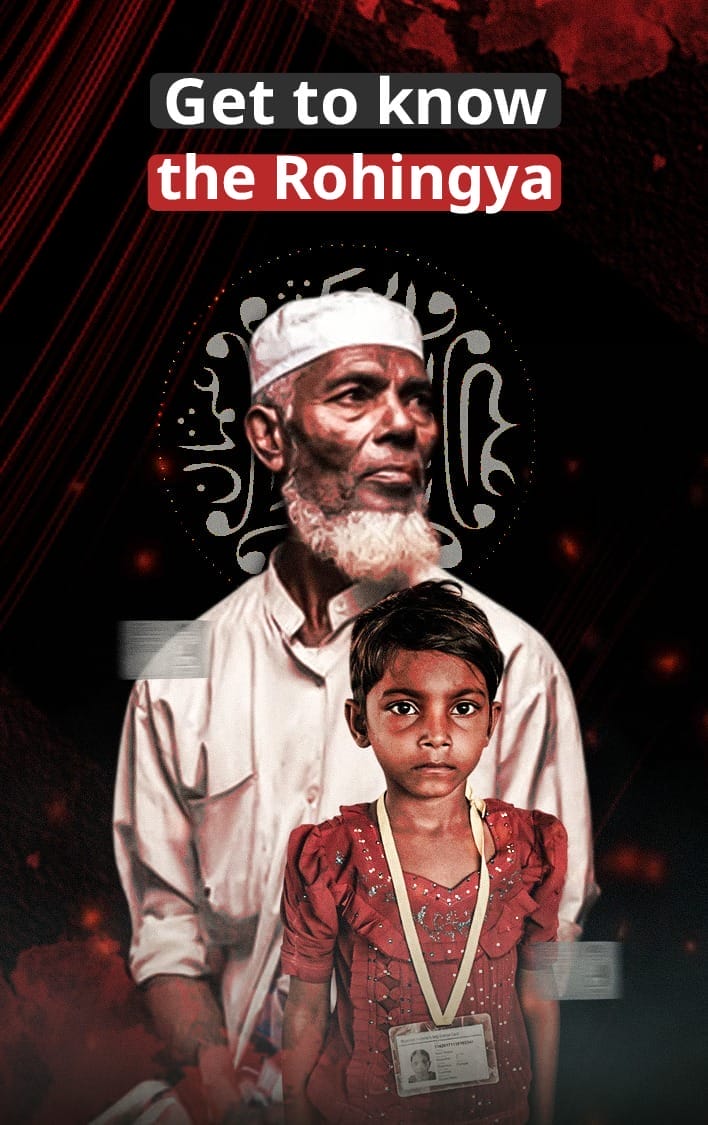
Yousuf is among more than 1,500 Rohingya refugees now living in temporary tents in Jammu, the winter capital of restive Jammu and Kashmir, India’s only Muslim majority state.
They are safe here near the border with Pakistan, but it is a precarious situation. In Jammu, they have no citizenship, no jobs, no school and no proper health care. They lack even the most basic shelters to protect them from the heat and cold.
Mud inundates shelters during the rainy season, as does dust during the summers. Living with their children in tents made from plastic sheets, these stateless refugees say they are striving — but failing — to forge a new beginning.
The refugees sustain themselves with meager incomes. Most men work as scrap collectors in the region, leaving their homes early in the morning and coming back at night. On rented bicycles, they wander along the streets collecting garbage to sell to dealers. The work earns them about 200 Indian rupees (US$3) a day.
Women work as daily wage maids in houses across the city, leaving the children to fend for themselves with no school or protection.
source :ucanindia