
Arakan News Agency
Six Rohingya refugee business owners in Balukhali Camp No. 9, Cox’s Bazar, Bangladesh, have accused a man identified as Dil Mohammad of extorting money from them by force, with the total amount allegedly reaching around 20,000 Bangladeshi taka, according to victims’ statements and a local source.
The source said the incident took place on 10 December 2025, when the accused summoned several shop owners operating in Polly Bazar market inside the camp and demanded what he described as “mandatory financial contributions” to fund community activities. The victims said they were pressured into handing over the money immediately, Mongdu Daily News reported.
According to the affected businessmen, the amounts taken ranged between 3,000 and 3,500 taka from each individual. The victims were identified as Ali Mia, Mohammed Salam, Mohammed Shah, Shokut Ali, Hamid Rahman, and Mohammed Alam, all of whom run small businesses inside the camp, including one recently arrived refugee.
Community sources said the accused has previously been linked to allegations of cooperation with armed groups in Myanmar, as well as claims of financial exploitation and threats against civilians. However, no official court rulings have been issued against him, and no response could be obtained from the accused or relevant authorities regarding the current allegations.
The incident comes amid growing concerns within the Rohingya refugee camps in Cox’s Bazar over the rise of extortion, intimidation, and exploitation, prompting calls from refugees and local actors for stronger security measures and clearer legal mechanisms to protect business owners and community activists.
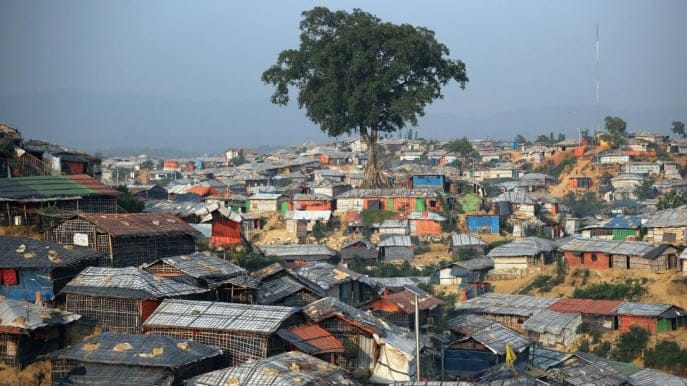
Cox’s Bazar hosts the world’s largest concentration of Rohingya refugees, with more than one million people living in overcrowded camps after fleeing Arakan State following waves of violence in Myanmar since 2017. With limited livelihood opportunities and strict movement restrictions, thousands of refugees depend on small-scale trade to survive, while weak legal protection and limited access to justice continue to leave them vulnerable to abuse.


